Brahmotsavam Marred by Administrative Failures at Sri Devarajaswamy Temple, Kanchipuram
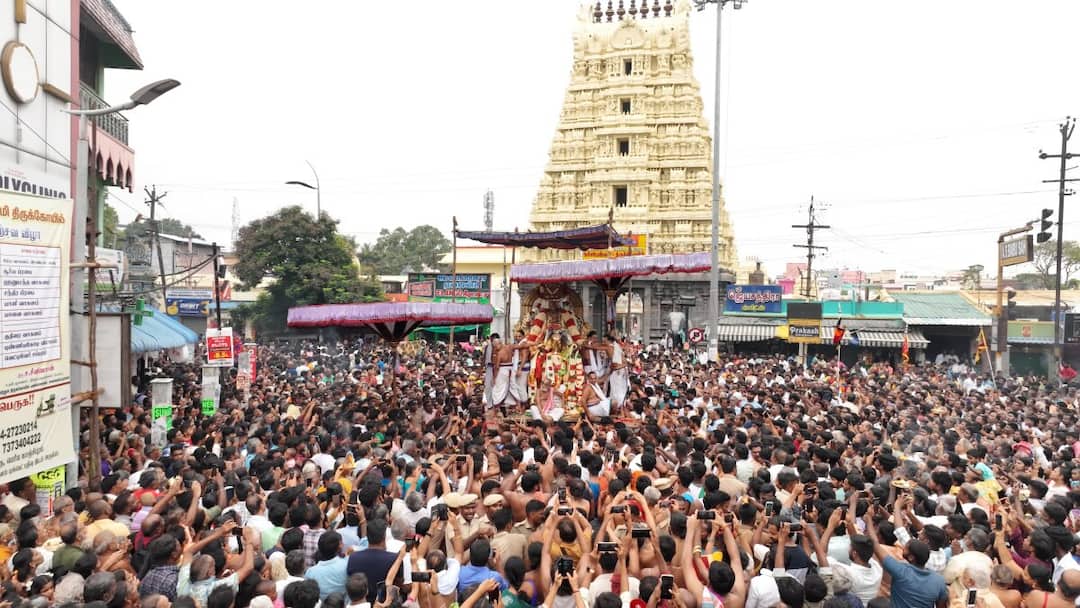
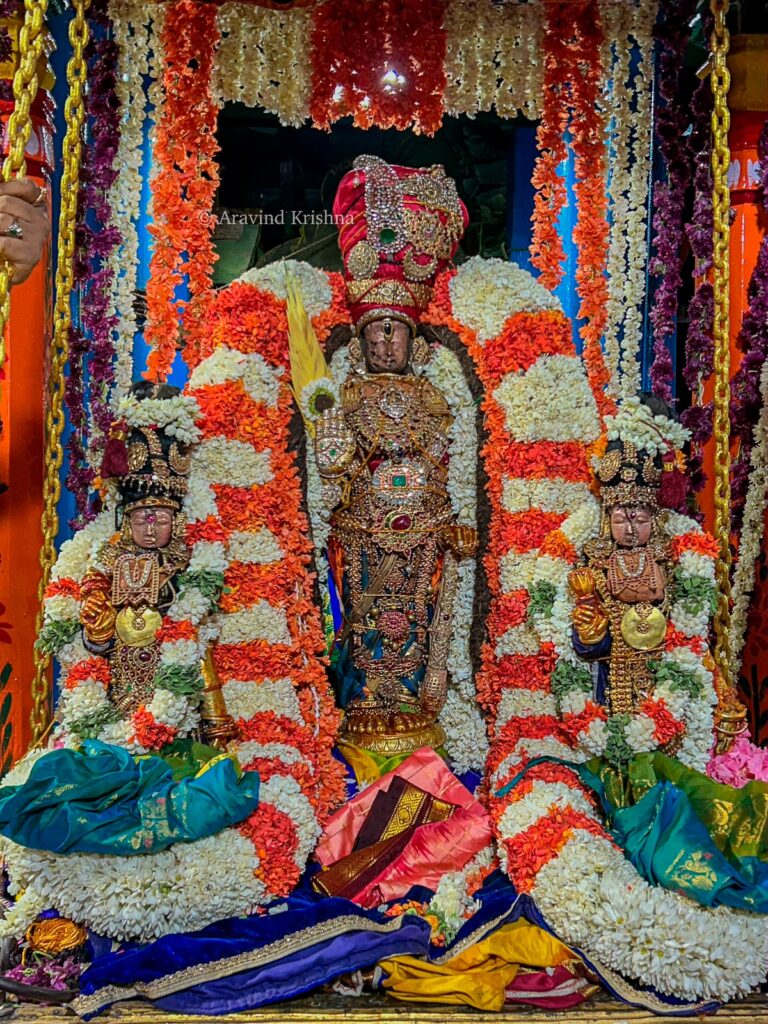
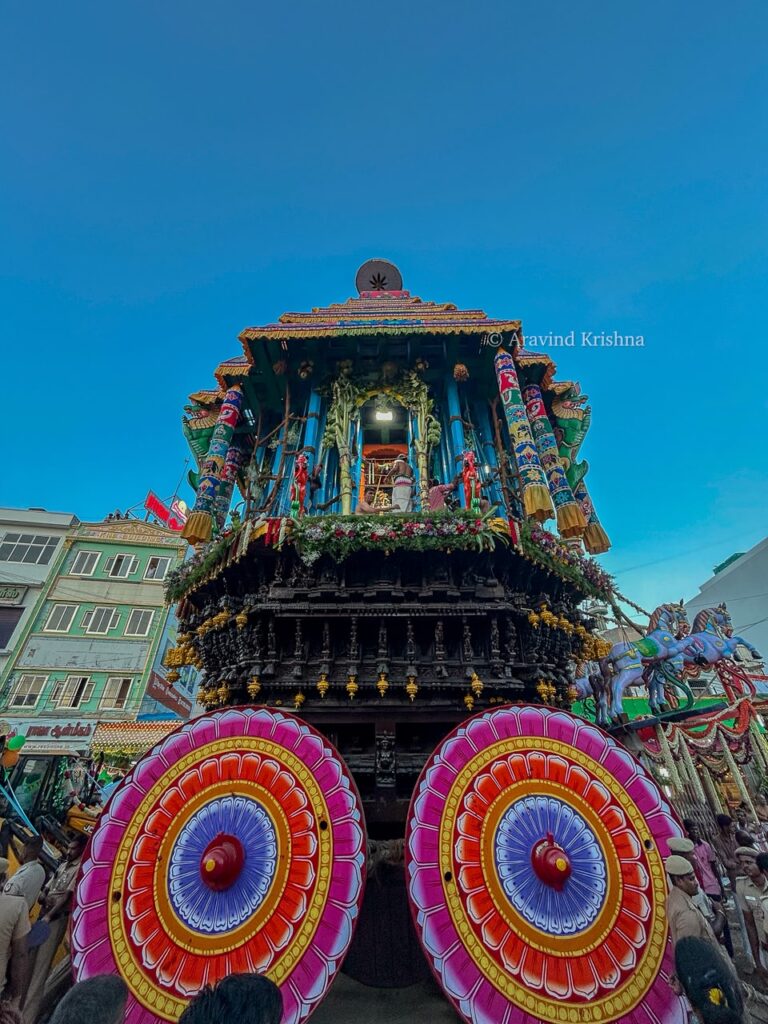
The Brahmotsavam of Sri Devarajaswamy Temple, popularly known as Varadaraja Perumal Temple, Kanchipuram, is among the most important annual festivals in the Vaishnavite tradition. The temple, one of the foremost Divya Desams, conducts this ten-day festival during the Tamil month of Vaikasi (May–June), drawing lakhs of devotees for the darshan of Lord Varadaraja Perumal on various vahanams. The Garuda Sevai and Rathotsavam (Chariot Festival) remain the most anticipated highlights of the festival.
This year, the Brahmotsavam commenced on May 28, 2026, with the sacred Dwajarohanam (flag hoisting ceremony) and concluded on June 5, 2026. What should have been a celebration of devotion, tradition and ritual continuity, however, was reportedly overshadowed by serious administrative lapses, abuse of authority, unexplained delays, unauthorised interventions and avoidable disruption of established temple practice and agama traditions.
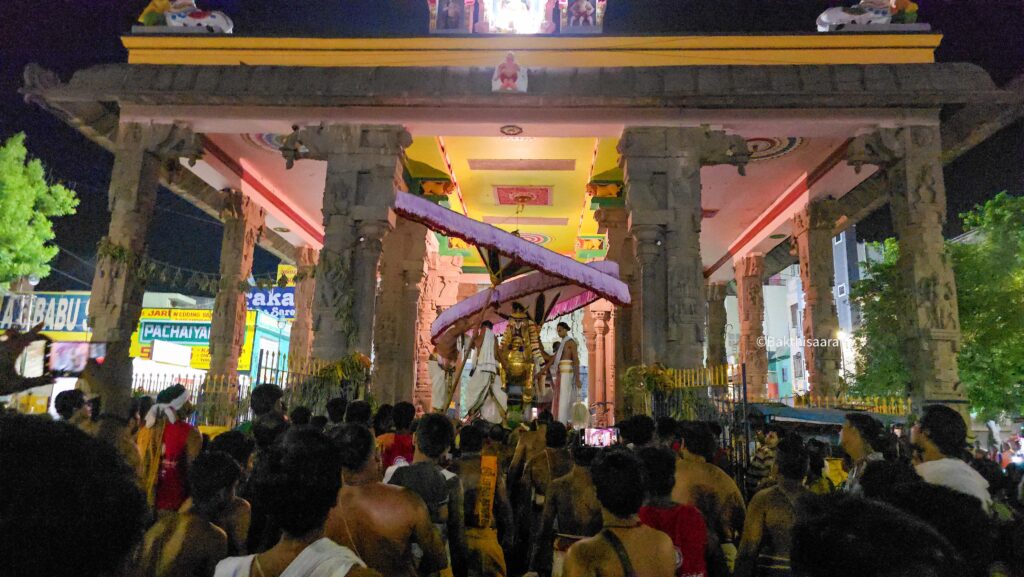
Prabandham recitation, mandagapadis and temple customs that have evolved over centuries. Every hour has ritual value. Every procession has a traditional place. Every deviation, therefore, must be treated with seriousness.
According to a detailed application submitted by the Vijayanagara Ujjivana Charitable Trust, the conduct of the festival under the administration of Executive Officer Smt. R. Rajalakshmi witnessed several disturbing departures from established practice. These include allegations of misuse of temple honours, conflict of interest, unauthorised financial collections, mismanagement of processions, curtailment of vahanams, and the exercise of influence by persons without lawful administrative authority.
The Alleged Misconducts and Administrative Lapses:
1. Misuse of Temple Honours: The Executive Officer Smt. R. Rajalakshmi compelled temple functionaries to accord official honours to her husband during the Dwajarohanam ceremony, despite him holding no official temple position. This raises grave questions of propriety and is a clear misuse of official position. Temple honours are not private gestures but recognized religious practice. Extending such honours to family members of serving officials, without legal or customary basis, would amount to a misuse of sacred ceremony for personal glorification.
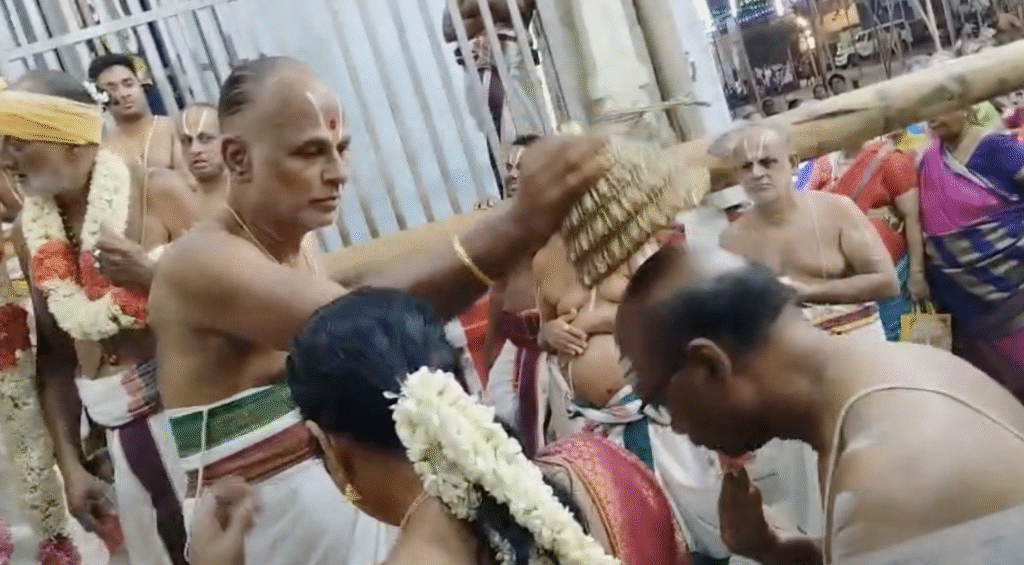
2. Delay in Festival Processions: Despite being conversant with the festival commitments and the importance of maintaining the traditional schedule, the administration permitted excessively prolonged activities resulting in severe disruption of the festival schedule and delays.
i. The third day night procession reportedly suffered substantial delays due to poor coordination and administrative incompetence leading tot the delay of the procession. The appointed Manigars and festival management personnel failed to effectively regulate the schedule.
ii. The Sesha Vahanam procession was cancelled on the stated ground that the wooden beam used for carrying the deity had become damaged. The whole ordeal affected the devotees that travelled from far and were awake the whole night to catch the Sesha Vahanam procession.
iii. There were various amiss during the Mohini Alankaram Procession as well. Traditionally, the Mohini Alankaram procession commences in the early hours and follows a carefully regulated schedule. However, this time, the procession commenced significantly later than the customary timing. The deity reportedly left only around 4:30 AM instead of the sched 2:30 AM and returned to the temple quite late, approximately 8:00 PM. The delay was a clear improper planning and unauthorized additions to the route.
3. Cancellation of Sesha Vahanam: After much delay due to Prabandham Recitation, the Sesha Vahanam procession was cancelled on the stated ground that the wooden beam used for carrying the deity had become damaged.
The last minute cancellation raises multiple questions – Why was the alleged defect not identified during prior inspection? Why was no replacement beam kept ready when such equipment is essential for festival processions? Why was there no contingency plan? Why were devotees not informed in a timely and transparent manner?
Major temples traditionally maintain spare and replacement equipment for festival purposes. If no such arrangement existed, it indicates negligence. If the defect was known but not addressed, it indicates worse. Either way, the issue demands inquiry.
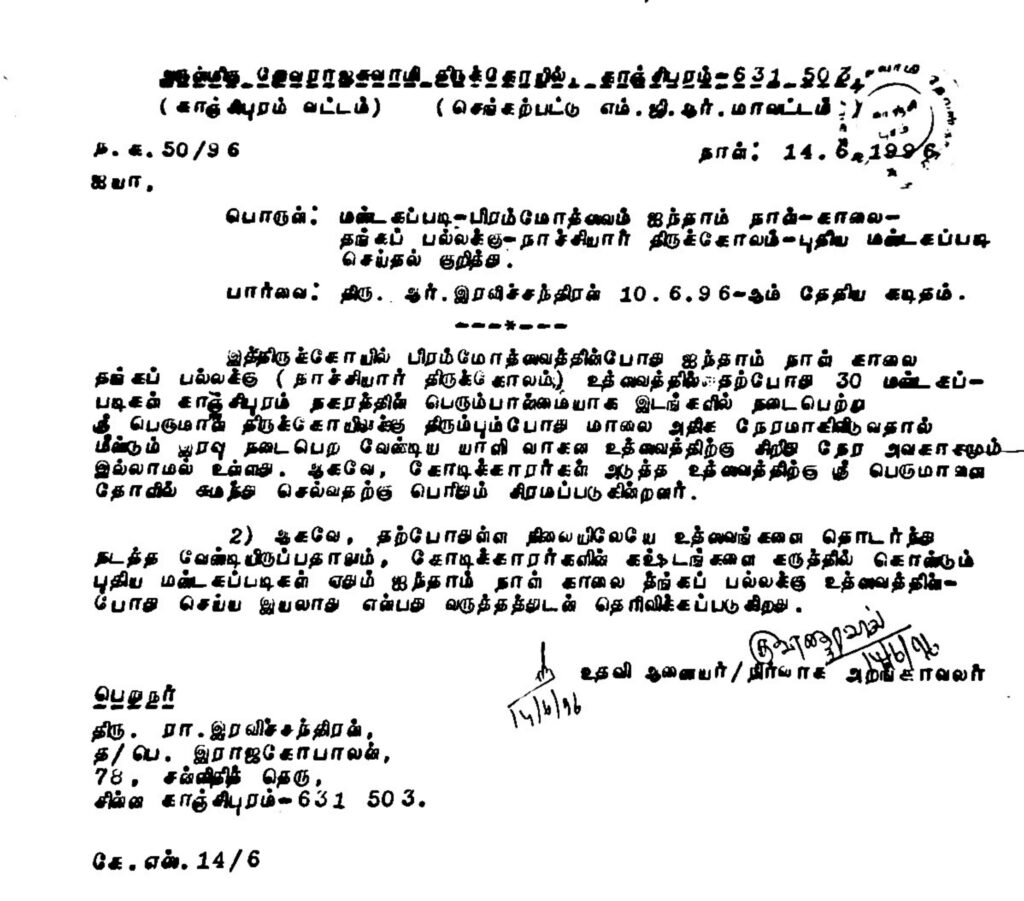
4. Unauthorized Introduction of New Mandagapadis: Nearly ten new Mandagapadis were introduced without proper approval from the competent authority during the Mohini Alankaram procession. This is a serious issue because Mandagapadis are not casual halting points. They are part of the traditional and regulated framework of the festival. Any alteration to them affects the route, timing, ritual order, and rights of devotees.
The proceedings of the Joint Commissioner, HR&CE, Kanchipuram, in Na.Ka. No. 50/96 dated 14.06.1996, were issued to regulate and recognize Mandagapadi arrangements connected with the Brahmotsavam of Sri Varadaraja Perumal Temple. If additional Mandagapadis were introduced affecting the established practice, they ought to have been subjected to scrutiny and approval by the competent authority, but the Executive Officer allegedly permitted approximately ten additional Mandagapadis without transparency, public notice, or disclosure of any sanction obtained from the Joint Commissioner, Commissioner, or other competent authority of the HR&CE Department.
Among the reported additional locations were residences of influential individuals, premises associated with relatives and associates of K Lakshmi Narasimha Bhattar alias Kittu Bhattar, Ananthanpillai Sannadhi, Vishnu Kanchi Police Station, Venkateswara Saw Mill and Sangusha Pettai.
These additions reportedly extended the procession by nearly five hours, placing an avoidable burden on devotees, temple staff and traditional participants.
5. Alleged Financial Collections: The allegation that approximately ₹25,000 was collected per newly introduced mandagapadi requires immediate scrutiny. The key questions are simple. Were the amounts entered into temple accounts? Were the collections authorised? Were they remitted into temple records? Who collected the money, and under whose authority? Temple-related collections cannot operate in opacity. Funds collected in connection with a sacred festival are temple funds and must be fully traceable. Any unauthorised collection, especially if connected to private residences, influential persons or informal arrangements, strikes at the heart of public trust.
6. Curtailment of Yali Vahanam: The delays reportedly caused by unauthorized route extensions had another serious consequence: the curtailment of the Fifth Day Evening Yali Vahanam procession. Processions are extremely sacred rituals and curtailed only under extraordinary circumstances such as natural calamities or serious emergencies. The decision to shorten the procession taken by the Executive Officer with the advice of her PRO MS Vijayaraghavan and K Lakshmi Narasimha Bhattar alias Kittu Bhattar caused widespread dissatisfaction among devotees.
7. Unauthorized Influence and Illegal Exercise of Administrative Authority: The application also raises a deeper concern regarding the alleged role of Shri M. S. Vijayaraghavan and K Lakshmi Narasimha Bhattar alias Kittu Bhattar. Though neither is stated to hold statutory or sanctioned administrative authority under the approved scheme of administration, both are alleged to have exercised substantial influence over temple affairs. This influence reportedly extended to festival management, appointments, removals and day-to-day operations.
Shri M. S. Vijayaraghavan and K Lakshmi Narasimha Bhattar alias Kittu Bhattar are said to have functioned as Public Relations Officers, appointment per order numbered 64/2026 dated 29/05/2026. However, the allegation is that they acted beyond any authorised assignment and effectively operated as de facto decision-makers, intermediaries and parallel administrators within the temple. Sri K Lakshmi Narasimha Bhattar is also alleged to have influenced festival arrangements, including the introduction of new mandagapadis and other operational decisions. If this is true, it indicates a serious breach in temple governance.
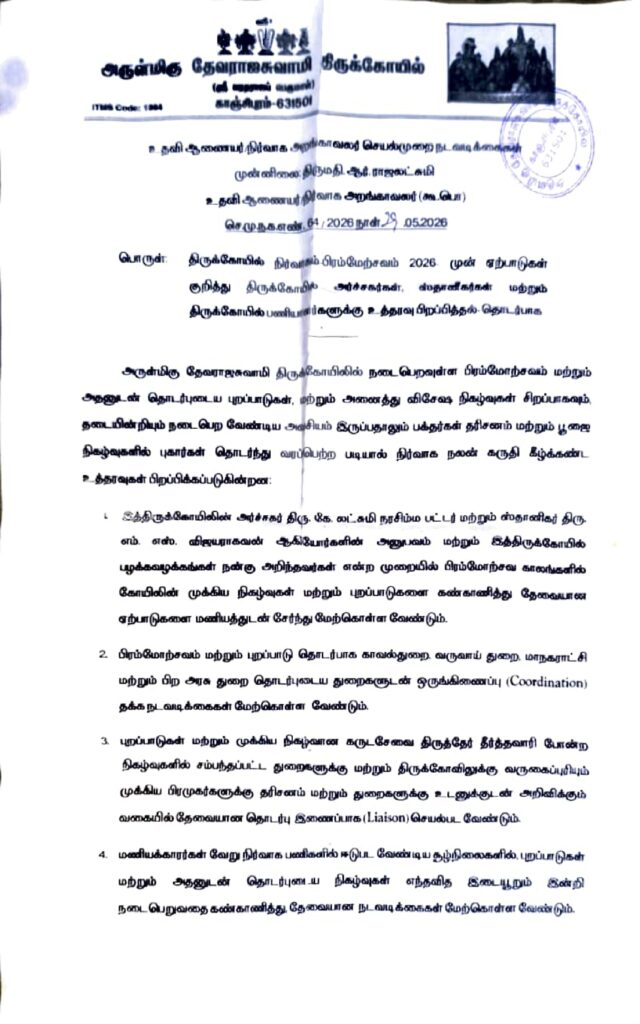
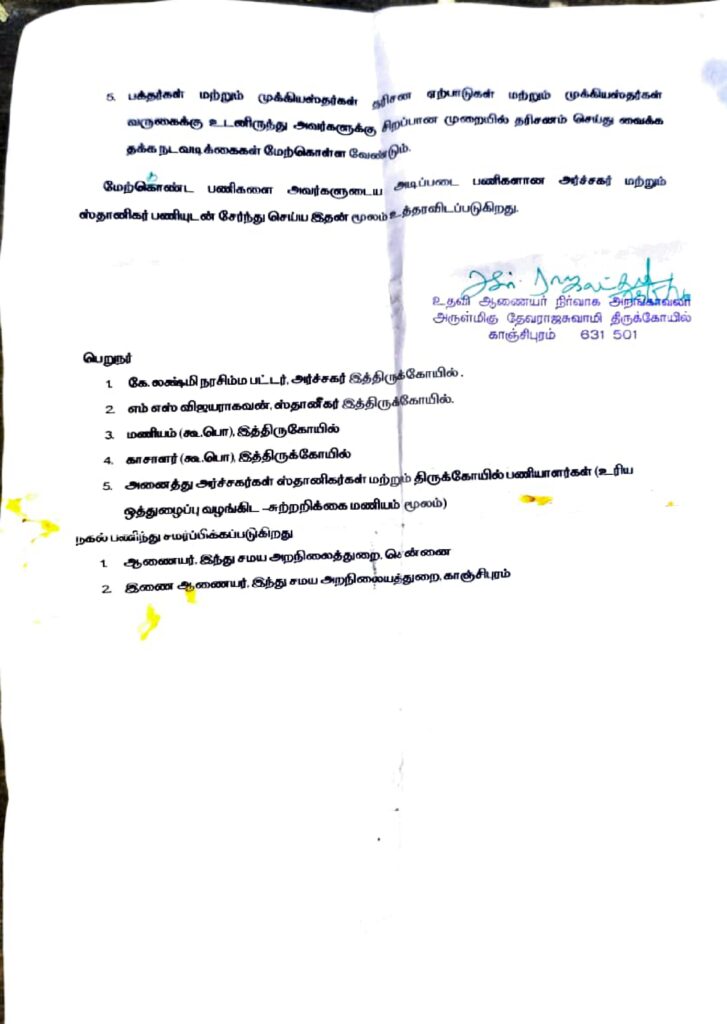
Shri M. S. Vijayaraghavan and K Lakshmi Narasimha Bhattar alias Kittu Bhattar
appointed as Public Relations Officers, per order numbered 64/2026 dated 29/05/2026
The Brahmotsavam festival as any other festival of such prominence requires impeccable execution with discipline to give due reverence to the bhakti and piety of lakhs of devotees. The events reported this year tarnish the sanctity of the rituals and trust of the public. With issues of misuse of authority, delays in sacred processions, cancellation of a major vahanam, lack of preparedness, unauthorised route additions, opaque financial collections, and possible delegation of authority to persons without sanctioned powers, a proper inquiry must therefore examine the conduct and lapses in administration.
Whether the appointment and role of Shri M. S. Vijayaraghavan and K Lakshmi Narasimha Bhattar alias Kittu Bhattar as PROs were duly sanctioned by the HR&CE Department, and whether decisions affecting temple administration and Brahmotsavam arrangements were taken by unofficial persons rather than competent authorities. Whether the additional mandagapadis had the approval of the competent authority, whether the alleged collections of approximately ₹25,000 per mandagapadi were authorised, accounted for and remitted into temple records, and what circumstances led to the cancellation of the Sesha Vahanam. Whether the alleged damage to the wooden beam was identified in advance, whether proper inspection and contingency measures existed, whether the Executive Officer misused her position by extending official honours to her husband- these are the questions that need accountability. Responsibility must be fixed on those responsible for administrative failures and deviations from established temple customs. Where misconduct is established, strict action must follow.
The faith of lakhs of devotees rests on the belief that a temple festival will be conducted with sanctity, discipline and fidelity to tradition. When that trust is disturbed, the issue is not merely administrative; it is religious, cultural and civilisational. Sri Varadaraja Perumal Temple is not an event venue. It is a living temple with centuries of tradition behind it. Its Brahmotsavam cannot be reduced to a field of personal influence, arbitrary decision-making and administrative experimentation. The devotees deserve transparency. The temple deserves accountability. Above all, the Brahmotsavam deserves to be conducted in the sanctity and order that its tradition demands.